Clean, Sanitise, Disinfect: They're Not the Same Thing
Most people use these three words like they're interchangeable. They're not, and the difference actually matters for how well a surface gets dealt with.
Ask most people what the difference is between cleaning, sanitising and disinfecting and you'll get a shrug, or "they're basically the same thing." They're not, and understanding the actual difference changes how you tackle things like a chopping board after raw chicken, or a bathroom after someone's been sick.
Cleaning
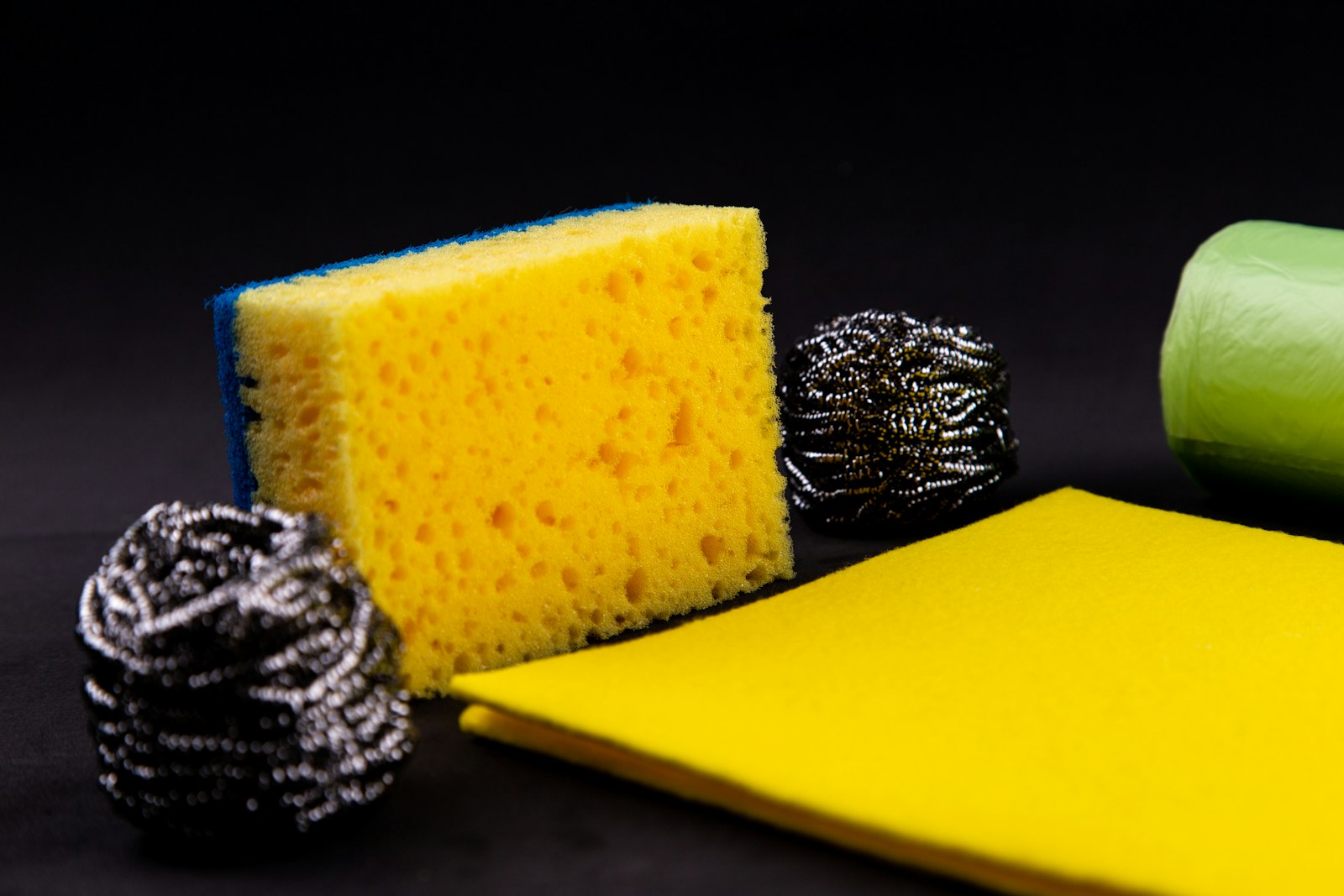
Cleaning removes dirt, dust, grime and some germs from a surface using soap or detergent and water, plus physical scrubbing. It's the most basic level, and it's what most household cleaning actually is — wiping a bench, vacuuming a floor, washing dishes. Cleaning makes a surface look and feel clean, and it does remove a portion of the germs on it just by physically lifting them off. What it doesn't do is reliably kill the germs that remain.
Sanitising
Sanitising is a step up: it lowers the number of germs on a surface to a level considered safe by public health standards, without necessarily eliminating every single one. In practical terms, a sanitiser needs to knock out the vast majority of common bacteria in a short window of time. This is the level most kitchen surfaces genuinely need — benchtops, chopping boards, high chairs, anywhere food touches directly. You clean first to remove the visible grime, then sanitise to bring bacteria down to a safe level.
Disinfecting
Disinfecting goes further again, killing the vast majority of both bacteria and viruses on a surface, though it may not kill every spore. This is the level you actually want for things like toilet seats and flush handles, taps in a bathroom used by someone who's unwell, or any surface that's come into contact with bodily fluids. Disinfectants are stronger, and they typically need to sit wet on a surface for a specified contact time to actually work — wiping it off too soon means it never had the chance to do its job.
Why the order matters
You can't skip cleaning and go straight to disinfecting and expect a great result. Dirt, grease and grime physically shield germs from a disinfectant reaching them, so a genuinely grubby surface needs a proper clean first — soap, water, scrubbing — before a sanitiser or disinfectant gets a fair shot at doing its job. This is honestly the step most people skip at home: spraying disinfectant straight onto a visibly dirty bench and wiping it off in five seconds achieves a lot less than people assume.
Where each one actually belongs in a normal household
- Everyday surfaces (floors, most furniture, general dusting): cleaning is genuinely enough most of the time.
- Food contact surfaces (benchtops, chopping boards, the inside of the fridge): clean, then sanitise regularly, and always after contact with raw meat or eggs.
- High-touch, high-risk surfaces (toilet, taps, door handles, anything touched by someone unwell): clean first, then disinfect, and leave it wet for the contact time listed on the product.
This is also roughly the logic behind why our linen and towel washing runs at a genuine thermal sanitising temperature (65°C+ for a sustained period) while everyday clothing gets washed to fabric-care guidelines instead — different items, different level of treatment needed, matched to the actual risk rather than blasting everything the same way.
If you want the risk-management side of this handled properly across your whole home rather than piecing it together yourself, that's a big part of what a proper regular clean covers — the right level of treatment on the right surfaces, not a once-over with whatever's under the sink.
Do I need to disinfect my whole house every week?
No, and doing so isn't necessary or particularly useful for most households. Everyday surfaces are fine with regular cleaning. Save disinfecting for high-touch, higher-risk spots like toilets, taps and door handles, or when someone in the house is unwell.
Is hand sanitiser the same thing as a surface sanitiser?
They work on a similar principle (reducing germs to a safer level) but they're formulated and tested differently, and a hand sanitiser isn't a substitute for a proper surface sanitiser or disinfectant on benchtops, chopping boards or bathroom fixtures.
Why does my disinfectant spray say to leave it for a certain number of minutes?
That's the contact time — how long the product needs to sit wet on the surface to actually kill the germs it's designed for. Wiping it off immediately after spraying means it often hasn't had time to work, even though the surface looks clean.
We use the right process for the right surface, every visit — not just a wipe and hope.
Book a CleanSources: CDC definitions of cleaning, sanitising and disinfecting; general public health guidance. Last checked July 2026. General information only.