Your Kitchen Sponge Is Probably Filthier Than Your Toilet
Not a scare tactic — it's just what the research keeps finding. Here's why, and what actually helps.
Here's an uncomfortable fact we tell people on almost every clean: the sponge sitting in a little caddy next to your sink is, gram for gram, one of the germiest objects in your entire house. Not the bin. Not the bathmat. The sponge.
A widely cited German study that actually cultured bacteria from used kitchen sponges found something like 362 different species living in them, at a density comparable to what you'd find in a stool sample. NSF International's own household germ study backs this up from a different angle — they found coliform bacteria, the family that includes salmonella and E. coli, on more than 75% of the dish sponges and rags they tested. Compare that to a toilet seat, which gets wiped down with disinfectant regularly and dries out between uses. A sponge does neither of those things.
Why sponges are basically a bacteria incubator
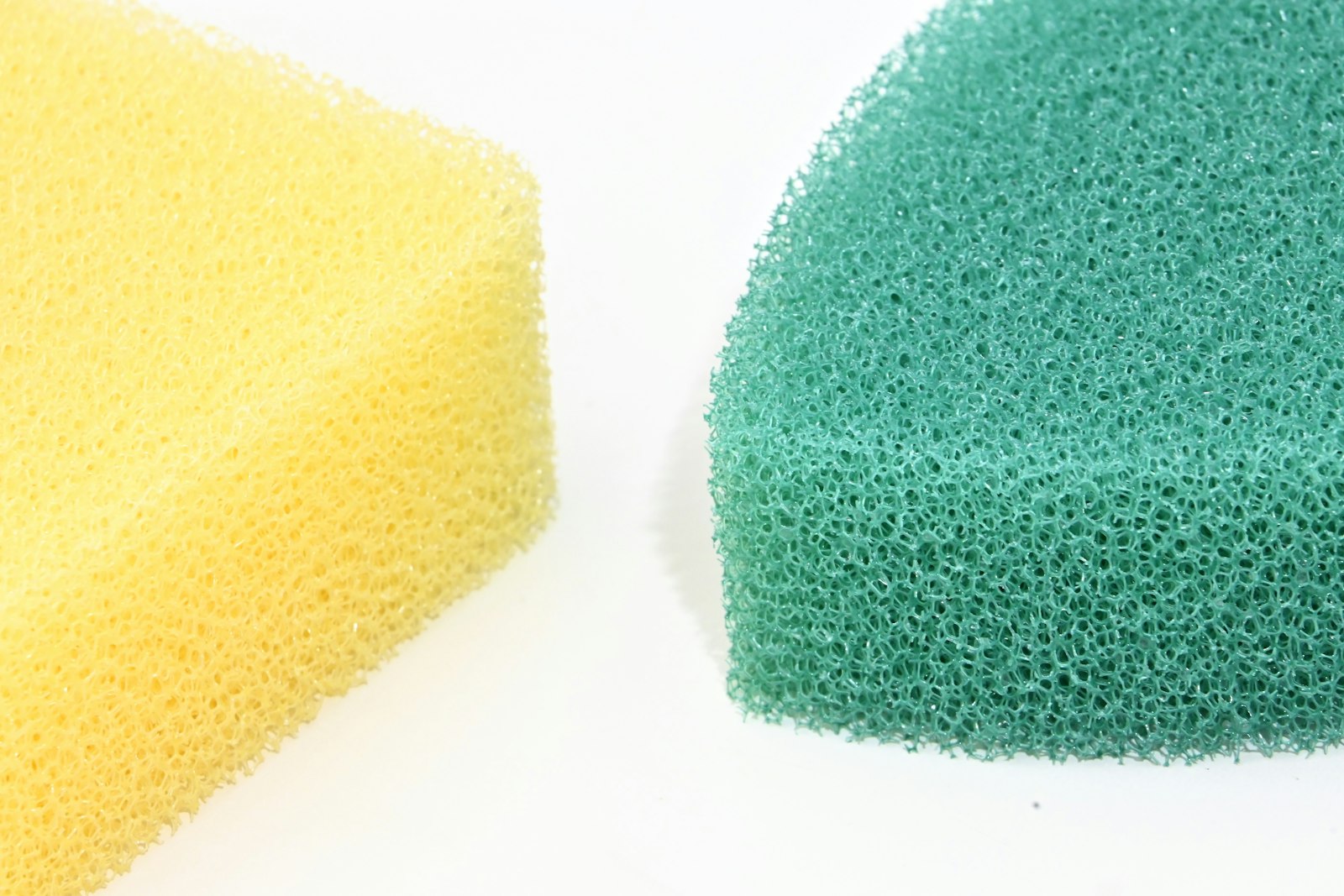
It comes down to three things every sponge has going for it, from a germ's point of view: it stays damp, it's full of tiny pockets that trap food scraps, and it sits at room temperature for hours between uses. That's a five-star hotel for bacteria. Add in the fact that you're using it to wipe up raw meat juices, egg, chicken fat and whatever else lands on your bench, and you can see why it doesn't take long for things to get out of hand.
Your kitchen sink isn't much better, and for similar reasons — it's constantly wet, it's where you rinse raw produce and meat, and food scraps get trapped around the drain and the tap base. Studies looking at household bacteria counts have found kitchen sinks carrying dramatically higher microbial loads than bathroom surfaces most people assume are dirtier.
So what do you actually do about it?
You don't need to throw the sponge in the bin every second day, but you do need a routine. Here's what genuinely works, based on what NSF and food safety researchers have tested:
- Microwave it wet, daily if you can. A properly soaked sponge (dry sponges can catch fire, so make sure it's saturated) zapped for two minutes kills a large chunk of the bacteria living in it. It won't sterilise it completely, but it makes a real dent.
- Run it through the dishwasher. If your dishwasher has a hot, high-heat cycle, tossing the sponge in with a load does something similar to the microwave trick, and it's less fiddly.
- Replace it every one to two weeks. This is the bit most people skip. A sponge that's been cleaned regularly still won't test cleaner than a fresh one that's been used for a week — it's a consumable, not a permanent fixture. If anyone in the house is pregnant, elderly, very young or immunocompromised, lean toward the weekly end.
- Wring it out properly and let it dry between uses. Bacteria need moisture to multiply. A sponge propped up somewhere it can actually dry out (not sitting in a puddle in the caddy) starts you ahead.
- Give your sink a proper wipe-down daily. Warm soapy water on the basin, tap handles and around the plughole, then a dry with a clean cloth or paper towel. It takes about a minute and it's the single habit that makes the biggest difference to overall kitchen hygiene.
What about dishcloths?
Same rules, roughly. Cloths dry out faster than sponges so they're a slightly better bet, but they still need a hot wash regularly (not just a rinse) and shouldn't be reused for days on end without a proper clean. If you're using the same cloth to wipe the bench, dry your hands and mop up a spill from raw chicken, that's how bacteria gets spread around rather than removed.
Worth remembering too: your kitchen sponge or cloth is a major route for cross-contamination onto other surfaces — benchtops, tap handles, fridge door, the lot. A clean-looking kitchen can still be quietly spreading germs around every time that sponge touches something. If your regular cleaning routine has slipped and the kitchen's overdue for a proper reset, that's exactly the kind of thing we sort out on every visit — benches, sink, taps, the works.
The quick version
Microwave or dishwasher your sponge regularly, replace it weekly to fortnightly, wring it out so it can dry, and give the sink itself a proper wipe daily rather than assuming water alone rinses it clean. None of this takes long — it's just not a habit most households have built yet.
Is it true my sponge has more bacteria than a toilet seat?
In terms of raw bacterial count, often yes. A used kitchen sponge sitting damp at room temperature is a far more hospitable environment for bacteria than a toilet seat, which gets cleaned regularly and dries between uses. It doesn't mean your sponge is more dangerous to touch than a toilet — it means it needs the same regular attention we already give toilets.
Can I just boil my sponge instead of microwaving it?
Yes, boiling a sponge for a few minutes works similarly to microwaving it and is arguably safer since there's no risk of it drying out and catching alight. Either way, it's a maintenance habit, not a substitute for replacing the sponge regularly.
Should I use a brush instead of a sponge?
Dish brushes dry out faster than sponges and don't hold food scraps in the same way, which makes them a genuinely better long-term option for a lot of kitchens. If you'd rather stick with a sponge, that's fine too — just keep the routine above.
Kitchen deep cleans included in every regular clean. If yours is overdue, we've got you.
Book a CleanSources: NSF International Household Germ Study; German study on kitchen sponge bacterial density (published in Scientific Reports); Clemson University Home & Garden Information Center. Last checked July 2026. General information only, not medical advice.